
Why Property Easements Cause Problems During Home Improvements
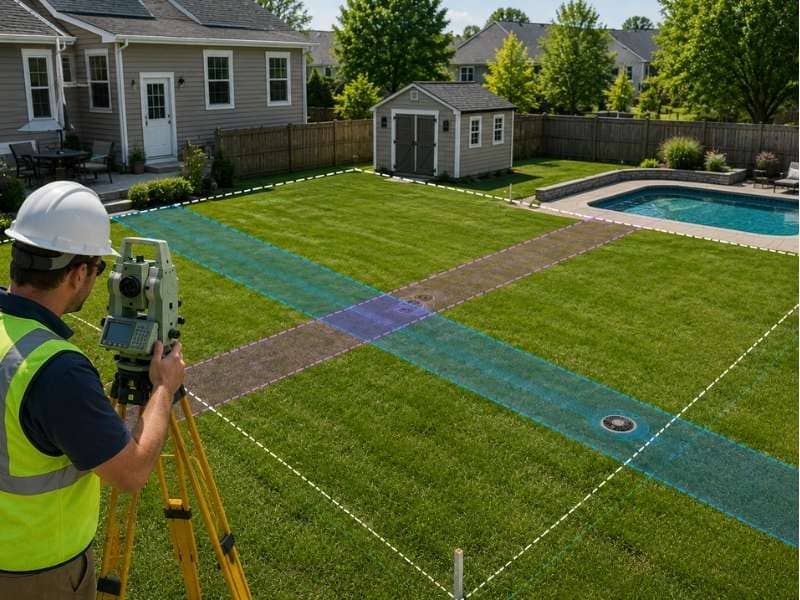
Many homeowners discover an easement at the worst possible moment, right after they have committed to a project. An easement is a recorded right that lets someone else use part of your land, and it can quietly limit where you are allowed to build. A property survey reveals these rights before you break ground, not after. For anyone planning a fence, a shed, a pool, or an addition, that early warning can prevent an expensive setback. Understanding your easements first keeps a good project from turning into a costly mistake.
Hidden Easements Can Block Your Plans
An easement gives a utility company, a neighbor, or the local government the legal right to use a defined strip of your property. Because the deed records that right, it stays with the land no matter who owns the home. When your project lands on top of an easement, you may be forced to relocate it, redesign it, or remove it entirely. Many of the most frustrating home improvement problems trace back to an easement nobody checked for.
- A shed or detached garage placed over a buried utility line
- A pool that overlaps a drainage easement at the rear of the lot
- A fence that blocks legal access a neighbor or utility relies on
- An addition that crosses into a right-of-way along the road
- A patio or deck built above pipes the utility may need to reach
The trouble usually surfaces during permitting or, worse, during construction. A permit reviewer may reject a plan that sits inside a recorded easement, which stalls the entire project. If the easement holder later needs access, they can legally require you to tear out whatever you placed there. Either outcome costs far more than confirming the easement would have.
A Property Survey Helps You Spot Easements
A property survey is the most reliable way to learn exactly where your easements fall. The surveyor researches recorded documents, locates the boundaries, and maps each easement in its true position on your lot. Instead of guessing from a vague deed description, you get a clear drawing of the protected areas. That picture tells you precisely where you can build and where you cannot.
This matters because easements are rarely obvious when you walk the yard. A drainage easement can look like ordinary grass, and a utility easement can run beneath a spot that seems perfectly open. Without a survey, you might assume an area is fair game when it is actually off limits. The survey removes that uncertainty before it becomes a problem.
Why So Many Homes Have Easements
Easements are far more common than most homeowners realize, especially in planned neighborhoods. When a developer builds a subdivision, they typically grant easements so utilities and drainage systems can serve every lot. These rights let crews install and maintain water lines, sewer pipes, power, and stormwater channels across many properties. As a result, a large share of suburban homes carry at least one recorded easement.
Drainage easements are especially common in flat, low areas where stormwater needs a clear path. Builders set aside these corridors so heavy rain can move safely away from homes. Decades later, the original owner may be long gone, yet the easement remains fully in force. That is why checking your records matters even on a property that looks completely unrestricted.
Build in the Right Place the First Time
Confirming your easements early lets you design a project that fits your property from the start. When you know where the protected strips are, you can position a shed, pool, or fence in a spot that avoids them entirely. That single step saves you from moving a structure or redrawing your plans midway through. It also keeps your permit application moving instead of stalling on a preventable conflict.
Catching an easement after the work begins is a different story altogether. Relocating a finished pool or tearing out a new patio can erase your budget and your timeline. Contractors charge a premium for rework, and the delay can push a summer project into the fall. Planning around the easement from day one is almost always cheaper than fixing the problem later.
Know Your Property Before You Build
A property survey gives you the clear, factual picture you need to plan with confidence. It shows your true boundaries, your setbacks, and every recorded easement in one place. With that information, you can make smart decisions about what to build and where to put it. You stop relying on assumptions and start working from verified facts.
That kind of clarity pays off long after a single project ends. The same survey helps with future improvements, with selling the home, and with resolving any question a neighbor might raise. Homeowners who understand their land tend to avoid the surprises that catch others off guard. A modest investment up front protects every project that follows.
Frequently Asked Questions
What is a property easement?
A property easement is a legally recorded right that allows another party to use a specific portion of your land. Common holders include utility companies, local governments, and sometimes neighboring property owners. The right stays with the land even when the home changes hands.
How does a property survey show an easement?
A surveyor reviews the recorded documents tied to your parcel and then maps each easement onto a detailed drawing of your property. The survey shows the exact location, width, and purpose of every easement on record. That gives you a precise view of which areas are restricted before you plan anything.
Can I build a shed on an easement?
Building a shed on an easement is usually a bad idea, and local rules often prohibit it outright. If the easement holder needs to access the area, they can legally require you to remove the structure at your own expense. Checking the survey first helps you place the shed somewhere safe and permanent.
Why do so many homes have easements?
Developers build most planned neighborhoods with built-in easements so utilities and drainage can reach every lot. These recorded rights allow crews to install and maintain essential services across many properties. Because the easements stay with the land, they remain in place long after the original construction.
Should I get a property survey before adding a pool or fence?
Getting a property survey before adding a pool or fence is a smart and often necessary step. The survey confirms your boundaries and reveals any easements that could interfere with the project. Knowing those limits in advance helps you avoid permit denials and costly rework.
Who can help me understand my property’s easements?
A licensed land surveyor is the best professional to identify and explain the easements on your property. They can research the records, map each easement, and show you how it affects your plans. A real estate attorney can also help explain the legal terms when the language is complex.