↓
 

Orlando Land Surveying

Local Land Surveyors in Orlando, FL

Orlando Land Surveying
  • Home
  • ALTA Survey
  • Boundary Surveying
  • Construction Survey
  • Drone LiDAR Mapping
  • Elevation Certificate
  • Land Surveying
  • Topographic Survey
  • About Us
  • Blog
  • Contact Us
Home 1 2 3 … 8 9 >>

Post navigation

← Older posts

Welcome to Orlando Land Surveying

Orlando Land Surveying Posted on August 18, 2017 by OrlandoLSApril 3, 2020
Orlando Land Surveying

This site is intended to provide you with information on Land Surveying in the Orlando, FL and Orange County area of Florida. If you’re looking for a Orlando Land Surveyor, you’ve come to the right place. If you’d rather talk to someone about your land surveying needs, please call our local number at (321) 320-6777 today. For more information, please continue to read.

land surveyingLand Surveyors are professionals who make precise measurements to determine the size and boundaries of a piece of real estate.  While this is a simplistic definition, boundary surveying is one of the most common types of surveying related to home and land owners. If you fall into the following categories, please click on the appropriate link for more information on that subject:
Orlando Land Surveying services:

    1. I need to know where my property corners or property lines are. (Boundary Survey)
    2. I have a loan closing or re-finance coming up on my home in a subdivision. (Lot Survey)
    3. I need a map of my property with contour lines to show elevation differences for my architect or engineer. (Topo Survey)
    4. I’ve just been told I’m in a flood zone or I’ve been told I need an elevation certificate in order to obtain flood insurance or prove I don’t need it. (Flood Survey)
    5. I’m purchasing a lot/house in a recorded subdivision. (Lot Survey – See Boundary Survey if you’re not in a subdivision.)
    6. I’m purchasing a larger tract of land, acreage, that hasn’t been subdivided in the past. (Boundary Survey)

Contact Orlando Land Surveying services TODAY at (321) 320-6777.

Posted in boundary surveying, elevation certificate, land surveying, land surveyor | Tagged boundary survey, land surveyor, land surveyor orlando fl, Orlando Land Surveying

Plat of Survey vs. Boundary Survey: What’s the Difference?

Orlando Land Surveying Posted on June 20, 2026 by OrlandoLSJune 18, 2026
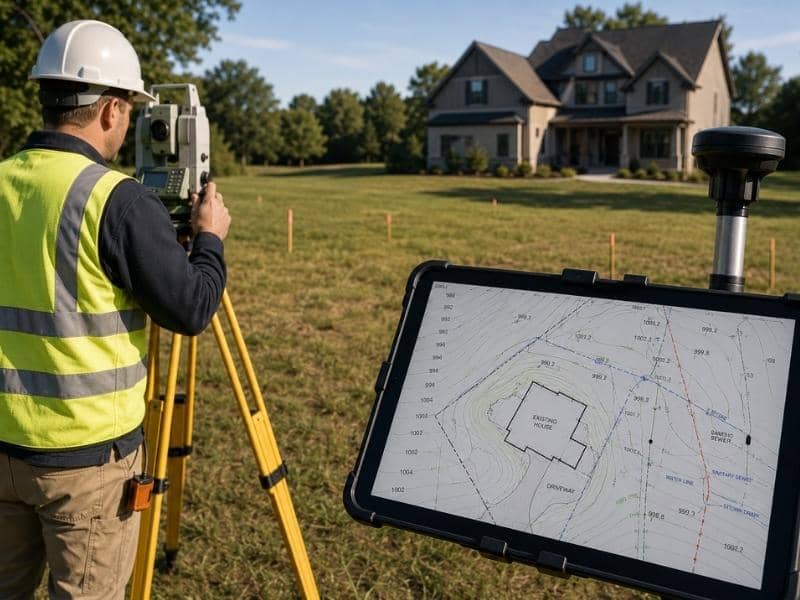
plat of survey vs boundary survey showing civil engineer checking property lines with survey equipment on construction site

A plat of survey and a boundary survey are two different documents, but many property owners use the terms as if they mean the same thing. Both involve a licensed land surveyor working on a property, and both deal with land measurements and property lines. The difference is what each one shows, how it gets used, and when you need one over the other. Knowing that difference can help you ask the right questions and get the right document for your project.

What Is a Plat of Survey?

A plat of survey is a drawn map of a property made by a licensed land surveyor. It shows the shape and size of the lot, the location of property lines, and where buildings, driveways, fences, and other features sit on the land. The map uses measurements and angles to show how everything on the property lines up with the boundary.

In many cases, this document gets filed with a local government office, which makes it part of the official property record. Lenders, title companies, and building departments often ask for a plat of survey when a property changes hands or when a permit application needs a drawing of the existing site. It gives everyone a clear, shared picture of what the property looks like on paper.

What Is a Boundary Survey?

A boundary survey has one main job: finding and confirming where the legal property lines fall. A licensed surveyor looks at the recorded deed and plat, finds existing property corner markers, and takes measurements to make sure the boundary on paper matches what is on the ground. The result is a confirmed location of the property lines, often marked with stakes or pins at the corners.

A boundary survey does not always produce a full drawn map of the property. Its job is to answer where the lines are. Property owners often order one when they want to know exactly where their lot ends before building a fence, starting a project, or settling a question with a neighbor about the shared line.

Plat of Survey vs. Boundary Survey: What Makes Them Different?

The biggest difference is what each one produces and what it gets used for. A boundary survey confirms where the property lines are and may set corner markers, but it does not always result in a full map showing buildings and other site features. A plat of survey goes further by creating a complete drawn document that shows both the boundary lines and what exists on the property within those lines.

A boundary survey answers where the lines are. A plat of survey answers where the lines are and what the property looks like. Because a plat of survey includes more detail, it takes more time to prepare. It is also required in more formal situations, such as real estate closings, permit submissions, and land subdivision. A boundary survey is often enough when the only goal is confirming the property lines for a specific project.

When Do You Need a Plat of Survey?

A plat of survey is most often needed when a property transaction or a local rule calls for a formally drawn document showing the full site. Real estate closings often require one so that the lender and title company can confirm what is being bought and sold. Local building departments may ask for one as part of a permit application for a new structure or a large addition.

Dividing a larger parcel into smaller lots also requires a plat of survey, since the new lot lines and shared features need to be drawn and filed on record. If a property has not had a survey done in many years and major changes have been made to the site, a new plat of survey creates an updated record that matches current conditions. Any time an official, filed map of the property is needed, a plat of survey is the right document.

How to Know Which Survey Is Right for You

The type of survey you need depends on what you are trying to do. If you want to know where your property lines fall before building a fence or settling a boundary question, a boundary survey is likely enough. It confirms the lines and can place physical markers at the corners without requiring a full drawn map of the site.

If you are buying or selling a property, applying for a building permit, refinancing, or dividing land into separate lots, a plat of survey is more likely what you need. The best way to find out is to describe your project to a licensed land surveyor. They can tell you which document fits your situation and what the finished product will look like.

Frequently Asked Questions

What is a plat of survey?

A plat of survey is a drawn map of a property made by a licensed land surveyor. It shows the property lines, lot size, and the location of buildings, fences, driveways, and other features on the land. It is often filed with a local government office and used in real estate transactions, permit applications, and land division.

Is a plat of survey the same as a boundary survey?

No. A boundary survey confirms where the property lines fall and may set corner markers, but it does not always produce a full drawn map. A plat of survey creates a complete drawing that shows both the boundary lines and the existing features on the property. A boundary survey answers where the lines are. A plat of survey shows what the whole property looks like.

When should I get a plat of survey?

A plat of survey is typically needed for real estate closings, building permit applications, refinancing, and land subdivision. It is also useful when a property has not been surveyed in many years and an updated official record is needed.

Can a boundary survey help find property lines?

Yes. A boundary survey is made to find and confirm property lines. The surveyor looks at the recorded deed and plat, finds existing corner markers, and takes measurements to make sure the boundary on paper matches the ground. Stakes or pins are often set at the corners so the lines are easy to see.

Who can prepare a plat of survey?

Only a licensed land surveyor can prepare a plat of survey. A licensed surveyor has the training and legal right to measure land, read recorded property records, and create official survey documents. The finished plat carries the surveyor’s seal and signature, which gives it legal standing for use in real estate transactions and permit applications.

Posted in boundary surveying | Tagged plat of survey

Why Homeowners Should Find Property Lines Before Replacing a Fence

Orlando Land Surveying Posted on June 19, 2026 by OrlandoLSJune 18, 2026
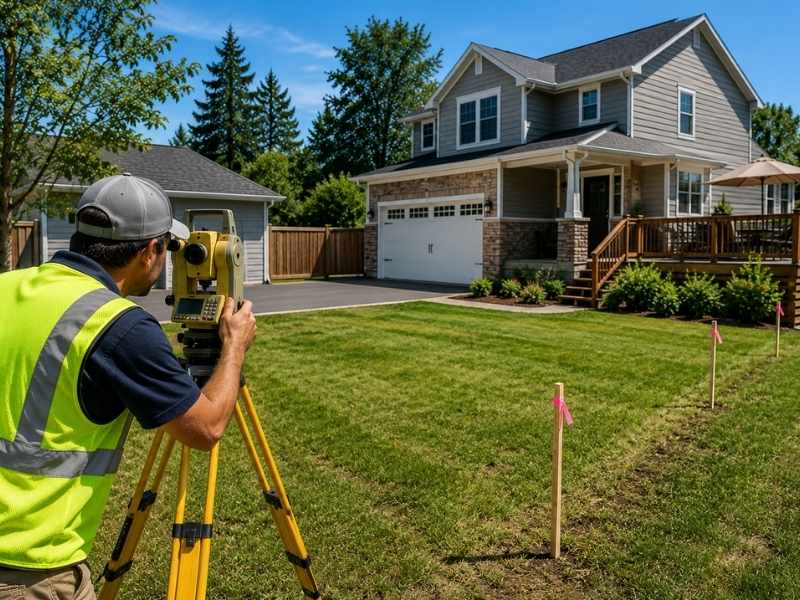
property lines before replacing fence with land survey showing surveyor marking boundary in residential yard

Replacing a fence feels like a simple home project. You pull out the old posts, dig new ones, and put up new panels. But property lines play a big role in where that fence can legally go. When homeowners replace a fence without checking property lines first, they often put the new fence in the exact same wrong spot as the old one. That mistake can lead to neighbor conflicts, extra costs, and permit problems that are much harder to fix after the work is done.

Why Fence Replacement Creates a False Sense of Security

New fence installations often prompt homeowners to check where the boundary falls before breaking ground. Replacement projects are different. The old fence is already there, so most people assume it marks the correct line and simply build the new one in the same place.

That assumption is where problems start. The old fence was likely put in by a previous owner who may never have confirmed the boundary either. Each time a fence gets replaced in the same spot, the original mistake carries forward. By the time a new owner replaces it again, the fence may be several feet off the true line, and nobody in the chain ever checked.

How a Previous Owner’s Fence Carries Their Assumptions

When you buy a home with a fence already on it, that fence reflects what a prior owner believed about the property line. It does not reflect what the recorded legal documents say. Prior owners often placed fences based on where they thought the line was, where a neighbor agreed it seemed right, or simply where it was easiest to build.

None of those reasons connect to the legal boundary. Deed descriptions, plat maps, and property corner markers define where the line actually falls. A fence built on assumptions passes those assumptions to the next owner, and the next one after that. Checking the legal boundary before replacing a fence breaks that chain and puts the new fence where it belongs.

What It Costs to Move a Fence After It Goes in the Wrong Place

Building a fence in the wrong spot and then having to move it is one of the more expensive mistakes a homeowner can make on a yard project. The cost of removing a newly installed fence, filling the old post holes, renting equipment, and reinstalling in the correct location can easily exceed the cost of the original project. In some cases, homeowners also pay for legal help if a neighbor disputes the location.

Local building departments can also get involved. If a fence permit was issued based on a site plan that showed the wrong boundary, the permit may need to be revised. That adds time and fees on top of the removal and reinstallation costs. Confirming the property line before the project starts costs far less than fixing a fence that ended up in the wrong place.

How Permit Offices Use Property Line Data for Fence Approvals

Many local building departments require a site plan showing property lines when homeowners apply for a fence permit. That plan needs to show where the proposed fence will sit in relation to the legal boundary. If the site plan shows the fence sitting on or past the property line, the permit reviewer will flag it before approval.

When homeowners confirm their property lines before applying, they can prepare an accurate site plan that shows the fence sitting correctly within the boundary. That makes the permit review go faster and reduces the chance of getting a rejection or a request for more information. A confirmed boundary also makes it easier to answer questions from the permit office about setbacks from the street or adjacent properties.

How Clear Property Lines Protect You Now and When You Sell

A fence sitting on the correct property line does more than prevent a dispute with the current neighbor. It also protects the homeowner when the property sells. Buyers and their agents often ask about fence locations during a sale, and a fence that crosses the legal line can come up as an issue during the title review or home inspection process.

Having a confirmed property line on file shows future buyers that the fence was placed correctly. It removes one more question from the transaction and keeps the sale moving. Neighbors also tend to respond better when a new fence goes in and the homeowner can point to a confirmed boundary rather than just saying they eyeballed it.

Frequently Asked Questions

Why should I find property lines before replacing a fence?

Replacing a fence in the same location as the old one does not confirm the new fence is in the right place. The old fence may have been installed incorrectly by a prior owner. Checking property lines before the project starts makes sure the new fence goes where the legal boundary actually falls.

Is my old fence always on the property line?

No. An old fence shows where a previous owner chose to build, not where the legal line falls. Prior owners often placed fences based on assumptions rather than recorded boundary information. The fence may be off by a few inches or several feet depending on how it was originally placed.

What is the easiest way to find property lines?

Start by checking your property deed and plat map, which are available through your local county records office. Look for property corner markers on your lot, which are usually iron pins set in the ground at the corners. If the markers are missing or the records are unclear, a licensed land surveyor can locate or re-establish the boundary accurately.

Do I need a land survey before putting up a new fence?

A survey is especially helpful when property corner markers are missing, when the existing fence appears to be off from where the boundary should be, or when a neighbor has raised questions about the line. A survey gives you a legally documented boundary location that protects you if a dispute comes up later.

What happens if a new fence is built on a neighbor’s property?

The neighbor can ask for the fence to be removed and rebuilt on the correct side of the line. Removing a newly built fence, filling in post holes, and reinstalling it in the right location adds significant cost to the project. In cases where the neighbor and homeowner disagree about the boundary, a land survey becomes the standard way to settle the question.

Posted in boundary surveying | Tagged boundary survey

What a Surveyor Looks for Before a Permit Application Is Submitted

Orlando Land Surveying Posted on June 18, 2026 by OrlandoLSJune 18, 2026
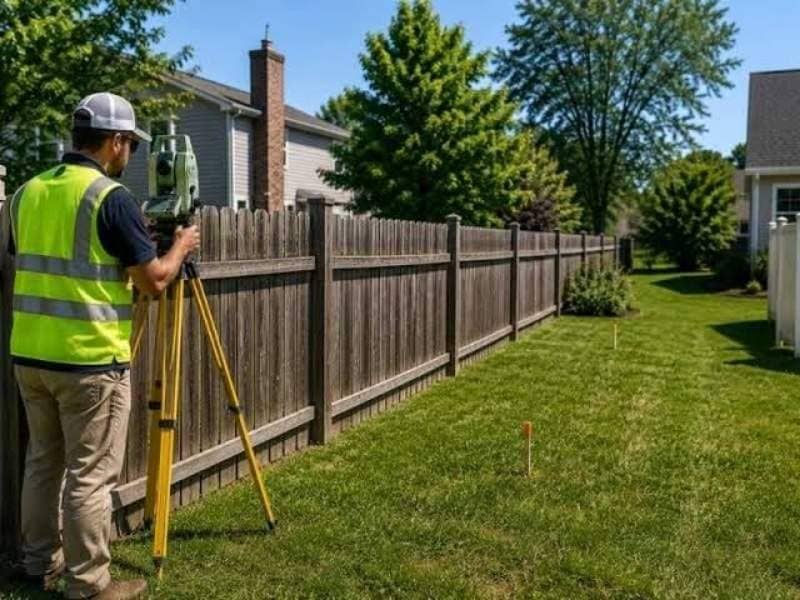
Surveyor checking property lines, drainage, and existing features before a permit application is submitted.

Before a permit application goes to the building department, a surveyor gathers important information about the property. They find the true property lines, record existing features, study the land, and identify legal limits that affect construction.

Doing this work before filing a permit helps avoid delays. Missing or incorrect information is one of the main reasons permit reviews get slowed down.

How a Surveyor Checks Property Lines

A surveyor starts by locating the legal property lines. They review the deed and plat records, find property markers, and measure the distances shown in those records. Their goal is to make sure the information on paper matches the conditions on the ground.

This step is important because building setbacks are measured from the actual property line, not from a fence or an estimate. If the wrong boundary is used, the plans may have to be changed later. Finding the correct lines early helps prevent costly delays.

What a Surveyor Records on the Property

After confirming the boundary, the surveyor records the features already on the site. These may include:

  • Buildings
  • Fences
  • Driveways
  • Walkways
  • Utility lines
  • Other visible improvements

Each feature is placed in its correct location on the survey drawing.

This information gives designers and permit reviewers a clear picture of the property. It helps them see whether anything on the site could interfere with the proposed project. Without accurate information, mistakes are more likely to happen.

Why Elevation and Drainage Matter

As communities grow, more land gets covered by homes, roads, and other structures. This leaves fewer places for rainwater to soak into the ground. Because of this, many building departments require elevation and drainage information during permit review.

A surveyor studies the shape of the land and identifies low areas. This information shows how water moves across the property and whether it drains toward or away from buildings.

Permit reviewers use this data to make sure new construction follows local drainage rules. Having this information ready before filing can prevent delays.

How a Surveyor Finds Legal Restrictions

Some property limits are not visible during a site visit. They are found in recorded documents.

These may include:

  • Utility easements
  • Drainage easements
  • Right-of-way lines

These restrictions affect where a structure can legally be built.

A surveyor reviews these records and shows them on the survey drawing. When designers can see these limits, they can avoid placing buildings in areas that would not meet permit requirements.

How Missing Records Can Delay a Permit

Some properties have missing or outdated records. For example:

  • A previous addition may have been built without a permit.
  • An old survey may not match current conditions.
  • Property corner markers may have been disturbed or moved.

If these problems are discovered during permit review, the application may be delayed.

A surveyor can investigate these issues before the permit is filed. They may locate missing markers, update records, and document current conditions. Solving these problems early is usually faster than fixing them after the permit process has already begun.

Frequently Asked Questions

What does a surveyor do before a permit application is submitted?

A surveyor locates the property lines, records existing features, checks elevation and drainage, and identifies legal restrictions. This information is placed on a survey drawing that designers and permit reviewers use.

Why is a surveyor important for a permit application?

Permit reviewers need accurate information to confirm that a project follows setback, drainage, and easement requirements. A surveyor provides the measurements needed for these checks. Without them, applications often require additional review.

Do all projects require a survey before getting a permit?

Not every project needs a survey. However, new construction, building additions, and projects close to property lines or easements often require survey information. Local rules vary by project and location.

How long does a survey take?

The time depends on the size of the property and the amount of available information. A small residential lot may take less time than a larger property with missing records. A licensed surveyor can provide a more accurate estimate.

Why are more property owners getting surveys before filing permits?

As development increases, many building departments require more information before approving permits. Property owners who submit complete survey information often experience fewer delays and less back-and-forth during the review process.

Posted in boundary surveying | Tagged boundary survey

Post navigation

← Older posts
Get Quote Button

The owner of this website, USA Surveying & Engineering, LLC., provides coordination of professional land surveying and engineering services in all 50 states. The professional surveying and engineering services provided to you will be conducted by fully licensed professionals in your state.

Privacy Policy
↑