
Do You Need a New Home Survey When Buying an Older House?
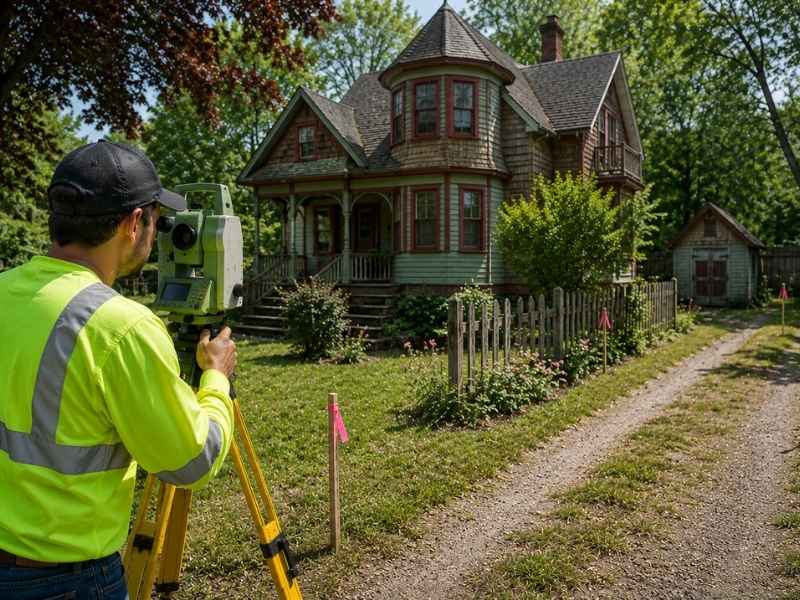
Buying an older house comes with questions that a newer home might not raise. Who put up that back fence? Is the shed on this property or the neighbor’s? Does the driveway cross the property line? A new home survey can help answer those questions before the sale closes. It looks at the property as it stands today. An old survey might be years or even decades out of date.
Why a Home Survey Can Be Helpful When Buying an Older House
Older homes often have a long history. Past owners may have added a deck, moved a fence, put up a storage building, or paved a side yard. None of those changes may have been recorded on any survey. The legal property description stays the same, but the physical property keeps changing.
A new home survey captures what is actually there now. A surveyor visits the property, takes measurements, and records the current state of the land and everything on it. That gives a buyer a current picture instead of one that might be ten, twenty, or thirty years old.
Lenders and title companies sometimes accept an older survey when a property changes hands. But accepting an old survey means accepting whatever it missed. A new survey shows the property as it exists today, which is what the buyer is actually purchasing.
How a Home Survey Helps Buyers Know the Property Lines
Property lines tell a buyer exactly what land they are getting with the home. Those lines may not be where a fence, a hedge row, or a garden bed suggests they are. A survey finds the true boundary and marks it.
For an older house, this matters even more. Fences get moved. Additions get built. Landscaping creeps past where it was supposed to stay. Over time, the visible edges of a property can drift away from the legal lines without anyone noticing.
A home survey uses deed records and physical evidence on the ground to locate each boundary line. The surveyor finds or sets markers at the corners and records their exact positions. A buyer can look at the survey drawing and see clearly where their land begins and ends. That removes the guesswork from one of the most basic questions in any home purchase.
What a Home Survey Can Tell You About Fences, Sheds, and Driveways
A home survey shows more than just the property lines. It also maps the features that are already on the land. That includes fences, sheds, garages, driveways, patios, and any other structures or improvements the current and past owners added over the years.
Each of those features gets measured and placed on the survey drawing in relation to the property lines and boundaries. A buyer can see whether the back fence sits on the property line, inside it, or past it onto a neighbor’s land. They can see whether the detached garage sits within setback requirements or sits too close to the line.
These details matter because they can affect what a buyer is able to do with the property after they purchase it. A shed sitting in an easement might need to be moved. A driveway that crosses the property line might require an agreement with a neighbor. Knowing about these things before closing gives a buyer time to ask questions and get answers while they still have options.
Why an Old Home Survey May Not Show Recent Changes
A survey captures a property at one point in time. Whatever was on the land the day the surveyor visited is what the survey shows. Anything added, removed, or changed after that visit does not appear.
For an older home, the gap between the last survey and today might span many years. In that time, a previous owner might have put up a fence that crosses a boundary line. They might have built an addition that sits closer to the property line than local rules allow. A driveway might have been widened. A deck might have been added without a permit.
None of those changes show up on the old survey. A buyer relying on that old document gets a picture of how the property looked under a past owner. That is not the same as how it looks today. A new survey fills that gap and shows the current state of the land and every structure on it.
How a Home Survey Gives Buyers More Confidence Before Closing
Buying a home is one of the largest purchases most people make. Going into that purchase with clear, current information about the property helps buyers feel prepared rather than uncertain.
A new home survey gives buyers specific answers to specific questions. Where are the property lines? Are the structures within those lines? Does anything on the property cross into an easement or onto a neighbor’s land? Are there any features that might be a problem after the sale?
Having those answers before closing means a buyer is not left to find out after the papers are signed. If the survey turns up something unexpected, there is still time to ask the seller about it. A buyer can negotiate or decide whether to move forward. That ability to make a decision with full information is worth a lot in a transaction as significant as buying a home.
Frequently Asked Questions
Why should I get a home survey when buying an older house?
Older properties often have changes that were never recorded on any survey. A new survey shows the current state of the land and all the structures on it. That gives you accurate, up-to-date information about exactly what you are buying before the sale closes.
How does a home survey show where the property lines are?
A surveyor uses deed records and physical evidence on the ground to locate each boundary. They find or set markers at the corners and record their positions on a drawing. That drawing shows clearly where the property begins and ends.
Can a home survey show fences, sheds, and other features?
Yes. A home survey maps structures and improvements already on the property. It shows where each one sits in relation to the boundary lines. That includes fences, sheds, garages, driveways, and patios.
Why might an old home survey no longer be accurate?
A survey only shows what was on the property the day the surveyor visited. Fences, additions, driveways, and other changes made after that visit do not appear on the old document. The older the survey, the more likely it is to be missing something that matters today.
How can a home survey help me feel more confident about buying an older house?
It gives you current, specific answers about the property lines, structures, and any features that might be a concern. Going into closing with that information means fewer surprises after the sale is done.