
How a Construction Surveyor Helps Prevent Costly Building Mistakes
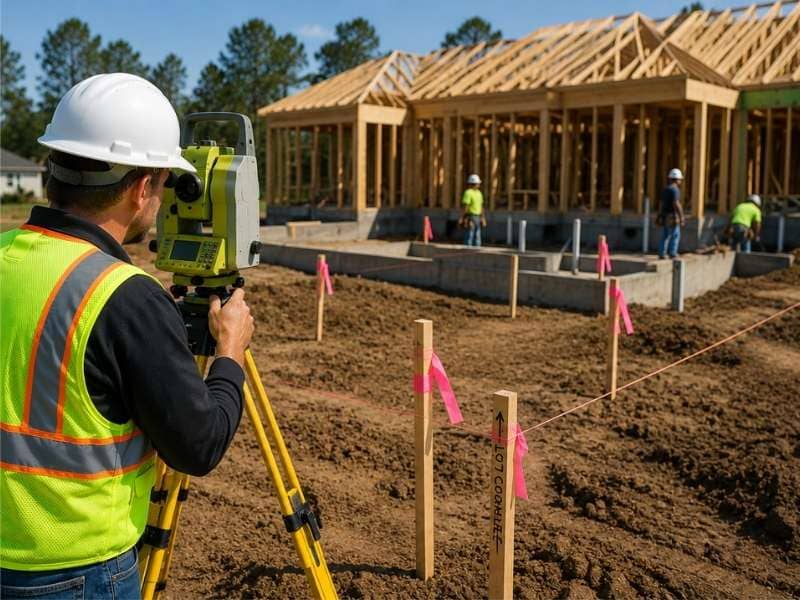
Building in the wrong spot, at the wrong angle, or at the wrong height can cost a lot to fix. Sometimes the whole structure has to come down and get rebuilt. A construction surveyor helps prevent that from happening. They mark key points on the ground and check measurements during the build. They also make sure structures end up where they are supposed to be.
Why a Construction Surveyor Helps Builders Start in the Right Spot
Before any digging or building begins, a construction surveyor goes to the site and marks the locations that builders will use as their starting points. These marks show where the corners of a building go and where the foundation edge sits. They also show where other key features will be placed.
Getting the starting point right is one of the most important parts of any construction project. A building that starts in the wrong spot will finish in the wrong spot. Moving a structure after the foundation is poured costs far more than setting the right marks before work begins.
Surveyors use the legal property description and any approved site plans to figure out exactly where each mark should go. They measure from confirmed points on the land and place stakes or pins. The construction crew uses those marks to guide their work. Those marks become the reference points for every step that follows.
How a Construction Surveyor Uses Measurements to Prevent Mistakes
Measurements on a construction site need to be exact. A difference of a few inches can push a wall outside a setback line or move a driveway into an easement. It can also shift a building close enough to the property line to cause problems during permitting or a future sale.
A construction surveyor uses tools designed to measure with high accuracy. Levels, total stations, and GPS equipment help the surveyor take readings far more precise than what a tape measure can produce. That precision is what makes the difference. Those tools help catch small errors before they turn into big ones.
Mistakes that get caught early are cheap to fix. A stake moved two feet before the foundation is poured takes a few minutes to correct. That same two-foot error found after framing is done can mean tearing out work and starting those sections over. New concrete, new lumber, more time.
How a Construction Surveyor Helps Keep Structures in the Right Place
Every structure on a lot has to sit within certain limits. Local rules set how far a building must sit from the property line. Easements restrict where driveways and utility connections can go. Approved site plans show where each feature should be placed.
A construction surveyor checks that each structure ends up in the right place as the project moves forward. They measure the position of walls, foundations, driveways, and other features and compare those measurements to what the plans require.
This checking process matters most at the stages where changes are still easy to make. A wall that is two feet off during framing can be corrected before the roof goes on. The same problem found after the building is fully enclosed is much harder and more expensive to fix.
Surveyors also make sure that features like driveways and sidewalks do not cross into easements or onto neighboring property. Those problems can show up during permit inspections or when the property is sold. Catching them during construction saves a lot of time and trouble.
Why a Construction Surveyor Can Help Reduce Costly Rework
Rework is one of the biggest sources of extra cost on a construction project. It happens when something gets built wrong and has to be removed, corrected, and rebuilt. A misplaced wall, a foundation poured at the wrong elevation, or a garage that overlaps a setback line can all require rework.
The cost of rework goes beyond the materials and labor to redo the work itself. It also includes delays to the rest of the project. Other trades waiting to come in cannot start until the rework is done. A schedule that slips by two weeks because of one mistake can affect the whole project timeline.
A construction surveyor reduces the chance of rework by checking the work at key points during the build. When measurements are verified before the next stage begins, errors get caught while they are still small and easy to fix. A foundation that gets checked before framing starts will not turn into a framing problem. A wall position confirmed before drywall goes up will not become a drywall problem.
How a Construction Surveyor Supports a Project From Start to Finish
A construction surveyor does not just show up once and leave. On most projects, they come back at different stages to take new measurements and check that the work is staying on track.
At the start of a project, they set the layout marks that guide the crew. During foundation work, they check that the slab or footings are at the right height and in the right position. As framing goes up, they can verify that walls are where the plans show them. Near the end of a project, they may take the final measurements needed to prepare the as-built record.
Each check gives the project team current, accurate information. Problems spotted during one stage do not carry forward into the next. That steady flow of accurate measurements helps the job move forward with fewer stops and fewer surprises. Less money gets spent fixing things that should not have needed fixing.
A construction project involves a lot of people working from a lot of different plans. A construction surveyor gives them all a shared, accurate set of measurements to work from. That common starting point is what helps keep a complex project from going in too many different directions at once.
Frequently Asked Questions
What does a construction surveyor do before construction begins?
A construction surveyor marks the key locations on the ground that builders use as starting points. Those marks show where a foundation corner goes, where a building edge sits, and where other features will be placed. Getting these marks right before work starts reduces the chance of costly mistakes.
How does a construction surveyor help prevent costly building errors?
They take precise measurements using leveling equipment, total stations, and GPS tools. Those measurements guide where structures get placed and help catch errors before they carry forward into the next stage of the build. Mistakes found early cost far less to fix than ones found late.
Why are measurements so important during a construction project?
Small errors in measurement can push a building outside a setback line, move a driveway into an easement, or place a structure too close to a property line. Each of those problems can cause delays, permit issues, or require expensive rework. Accurate measurements help avoid all of them.
Can a construction surveyor help avoid rework?
Yes. By checking measurements at key stages during the build, a construction surveyor helps catch errors while they are still small. A problem found before the next stage begins is much cheaper to fix. Finding it after more work is stacked on top of it costs a lot more.
Why might a construction surveyor stay involved throughout the project?
Different stages of construction need different checks. Layout marks are set at the start. Foundation height gets verified early. Wall positions get checked during framing. Each stage builds on the one before it. Accurate measurements at every step help stop errors from stacking up across the whole project.