
What Happens When a Neighbor’s Fence Crosses the Property Line?
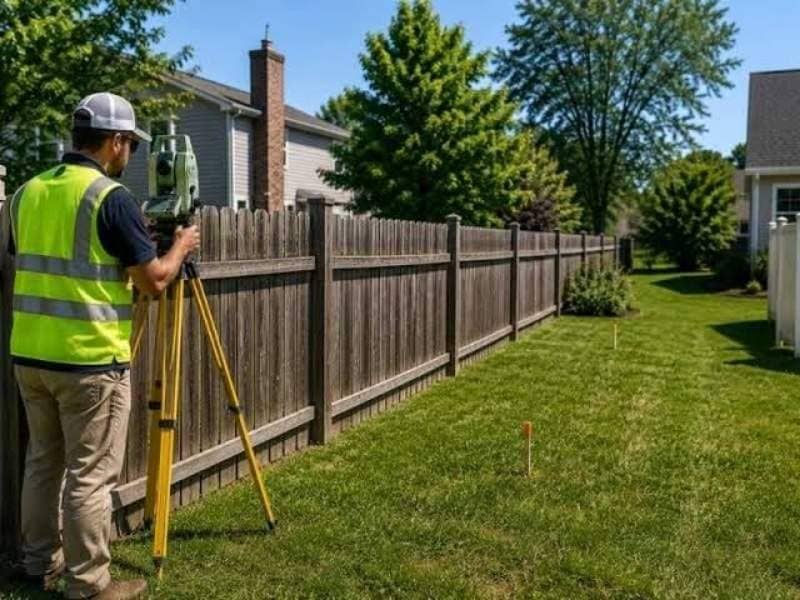
A fence may look like the property line, but appearances can be misleading. Many fences were built years ago without an accurate survey, so they don’t always follow the legal boundary. Before taking action, it’s important to find property lines with a licensed survey to determine whether the fence is actually on the correct side.
A Fence Alone Doesn’t Prove the Boundary
A fence looks like a clear marker, but it rarely proves where your property really ends. Many old fences went up by guess, by handshake or along a line that shifted over the years. Before you assume a neighbor’s fence sits on your land, you need to find property lines with a proper survey.
The person who built the fence may have placed it wrong from the start. Maybe they eyeballed the spot, or maybe they trusted an old marker that had already moved. Whatever the reason, the fence tells you where someone thought the line was, not where it legally falls.
That difference can matter a lot. If the fence really does cross onto your land, you have options, but only once you can prove the true boundary. Acting on a hunch usually backfires.
Why You Should Find Property Lines First
The smartest first move is to find property lines with a licensed survey. A surveyor checks your deed, reviews recorded maps and then marks the true corners on the ground. Once those marks exist, you know exactly where your land ends and your neighbor’s begins.
This step protects you from an expensive mistake. If you confront a neighbor or tear at a fence based on a guess, you might be wrong, and that can damage the relationship or even land you in a legal mess. A survey replaces opinion with fact.
The results also strengthen your position without any drama. When you can point to marked corners and a signed drawing, the conversation shifts from argument to problem-solving. Most neighbors respond better to clear proof than to a heated claim.
Small Fence Problems Grow If You Ignore Them
A fence a few inches over the line seems harmless at first. Left alone, that small overlap can turn into a real problem during a repair, a sale or a future project. What feels like a minor issue today can cost you real money and time later.
Say you decide to build a shed or add a pool near that edge. A permit office or contractor may catch the boundary conflict and stop the work until you fix it. Now a quiet fence issue has delayed a project you cared about.
There’s a bigger risk too. If a neighbor uses part of your land long enough without challenge, they may be able to claim it through adverse possession. Every state sets its own rules, but the longer a wrong fence stands, the harder your position can become.
Survey Results Make the Neighbor Conversation Easier
Talking to a neighbor about their fence feels awkward, and a survey takes the guesswork out of it. Instead of trading opinions about where the line runs, both of you can look at the same marked corners and the same drawing. Facts cool down a talk that emotion tends to heat up.
Bring the results to your neighbor calmly and share what the survey found. Many people don’t realize their fence is off, and a clear map helps them see it without feeling attacked. From there, you can talk about fair options together.
Written proof also keeps the peace long after the chat. If you reach an agreement, you can put it in writing so it holds up even if one of you sells the home. That record saves the next owners from starting the whole dispute over again.
Plan Any Fence Move Before You Act
Once the survey confirms a fence crosses the line, resist the urge to move it that same day. Review the results carefully and understand exactly where the true corners sit. A rushed fix can create new errors that cost even more to undo.
Follow the proper steps in order. Talk with your neighbor first, agree on who handles the work and check whether a permit applies before anyone touches a post. Skipping these steps can spark the very fight you’re trying to avoid.
Keep every document from the process. Save the survey, any written agreement and receipts for the work, since you may need them during a future sale. Good records turn a stressful situation into a closed chapter instead of a lingering one.
Frequently Asked Questions
How do I know if a fence crosses my property line?
You can’t know for sure by looking, since fences often sit off the real line. The reliable way is to hire a licensed surveyor who marks your true corners and boundary. Once those marks are set, you can measure the fence against them and see if it crosses.
Can a survey help find property lines?
Yes, that’s exactly what it does. A surveyor uses your deed and recorded maps to locate and mark the legal boundary on the ground. With those corners in place, you finally have proof instead of a guess about where your land ends.
Should I talk to my neighbor before moving a fence?
Yes, always start with a conversation. Moving or touching a shared fence without warning can turn a small issue into a lasting feud. Share the survey, explain what it shows and try to agree on the next steps together before any work begins.
What if the fence has been there for many years?
A long-standing fence can actually work against you. In many states, a neighbor who uses your land openly for years may claim it through adverse possession. That’s why a survey and prompt action matter, since waiting can weaken your right to that strip of ground.
Can a fence issue affect a home sale?
It can. Title companies and buyers often flag a fence that crosses a boundary, and that can stall or shrink a deal. Clearing up the problem before you list, with a survey and any needed agreement, keeps your sale on track.