
Finding Property Lines When Several Fences Meet at One Corner
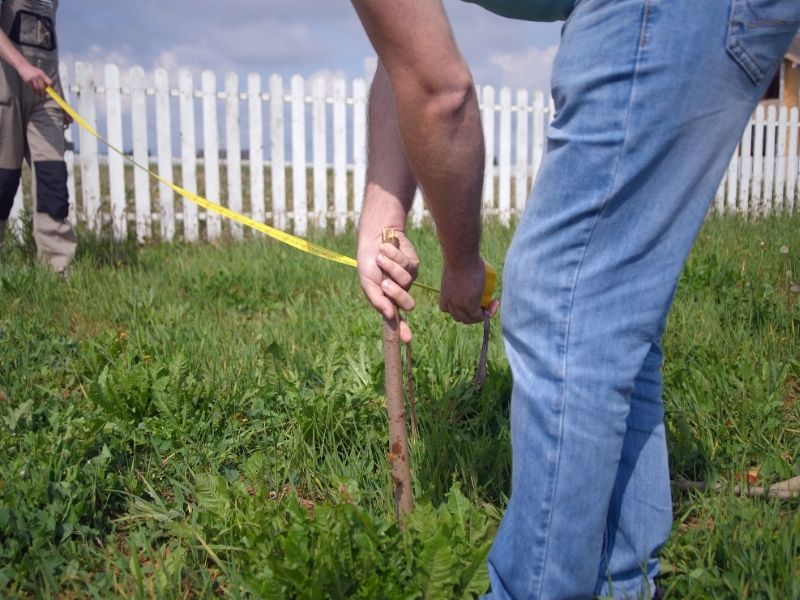
A back corner where three or four yards come together can hold three or four different ideas of the property line. Each neighbor built a fence where they thought the line was. The fences do not agree, and the real corner hides somewhere among them. A boundary survey is how you find it.
That cluster of fences is a problem waiting to happen. It can stall a fence replacement, complicate a sale, or spark a dispute with a neighbor. The good news is the true corner can be found. A survey reads the records and the ground to show exactly where the lines meet.
Why Multiple Fence Corners Create Boundary Confusion
At a shared corner, several lots come to a point in the same small area. Over the years, each owner may have set a fence by a guess, an old fence line, or plain memory. None of them may have checked the actual boundary first. Small errors from each property stack up at that one spot. A surveyor reviews available boundary evidence, including records, monuments, and existing site features, to determine where the true corner should be located.
Fences also move over time. An old fence gets replaced, and the new one lands a few inches off the last. Do that across several properties and several rebuilds, and the corner spreads into a messy knot of posts. What should be one point becomes a scatter of them.
The key fact is simple. A fence is not a property line. It is only a fence, and it sits wherever someone put it. The legal boundary is set by the records and the survey evidence, which may fall in a different place entirely.
How Surveyors Determine True Property Lines
A surveyor starts with the paperwork, not the fences. They pull the deed, the recorded plat, and any prior surveys for the properties involved. These describe where the lines are supposed to be. They give the surveyor a target to search for on the ground. This survey work combines record research with field measurements to confirm where the true boundaries should fall.
Then the field search begins. The surveyor looks for monuments, which are the physical markers that mark corners, such as iron pins or pipes set by earlier surveys. An original marker carries a lot of weight, since it shows where the corner was actually placed. The surveyor measures from these points and compares what they find against the records.
The true corner is decided by weighing all of that evidence. Original monuments usually control, followed by other clues the records describe. The corner that results may not sit at any of the fences. That is common at a shared corner, and it is exactly why a professional survey matters.
Using Boundary Surveys to Verify Fence Locations
A boundary survey maps the true lines and then shows the fences against them. This makes it clear which fence sits on the line, which crosses it, and which falls short. Each owner can finally see how their fence relates to the real boundary. The guesswork is gone.
This is where encroachments show up. An encroachment is a fence, shed, or structure that sits across a property line onto land it should not. At a shared corner, more than one may appear at once. Seeing them on the survey lets everyone deal with facts instead of assumptions.
The picture helps in practical ways. If you plan to replace a fence, the survey shows where it should go. If you are buying or selling, it shows what you are really getting. A clear boundary survey turns a confusing corner into a known one.
Why Shared Fence Corners Require Careful Property Review
A shared corner involves several owners, and that raises the stakes. A finding at that point can affect three or four properties at the same time. One person’s fence problem may be another person’s gain of a few inches. Handling it well takes care and a neutral set of facts.
Old side agreements can complicate things too. Neighbors may have made handshake deals about a fence years ago, and some areas recognize claims based on long use of land. These matters can vary by state and local law, and they are legal questions, not survey ones. A boundary survey gives everyone the measured facts, and an attorney can advise on any rights or agreements tied to them.
Communication helps the process along. When neighbors know a licensed surveyor set the corner from records and evidence, the conversation gets easier. The survey is not taking sides. It is simply showing where the lines fall.
Reducing Property Risks With Accurate Boundary Information
Most corner disputes trace back to someone acting without knowing the line. Building or replacing a fence over the true boundary can mean tearing it out later. Selling with an unresolved corner can scare off a buyer or delay a closing. Accurate boundary information prevents these outcomes before they start.
Timing makes the difference. Get a boundary survey before you replace a fence, buy a property, or settle a disagreement at a shared corner. That way your decisions rest on real lines, not on the fences that happen to be there. Requirements and options can vary by property type, county, and situation, so confirm what applies to yours.
A survey also protects you long term. A documented boundary supports your position if a question comes up years from now. It gives title companies and future buyers something solid to rely on. Knowing the corner is a small step that saves large headaches.
Frequently Asked Questions
Is my fence the property line?
No, a fence is not automatically the property line. It sits wherever it was built, which may be on, over, or short of the true boundary. The legal line is set by the deed, the plat, and the survey evidence on the ground. A boundary survey is the way to confirm where your line actually falls.
How does a surveyor find the true corner when the fences disagree?
The surveyor researches the deed, plat, and prior surveys, then searches the ground for original corner markers. Those markers, called monuments, carry strong weight in setting the corner. The surveyor measures and compares the evidence against the records to fix the true point. That corner may not match any of the existing fences.
What happens if a fence crosses onto my property?
A fence that sits across the line is an encroachment, and your options depend on the situation. You may talk with the neighbor, adjust the fence, or seek a written agreement. Some cases involve legal questions that vary by state and local law, so an attorney may be needed. A boundary survey gives you the facts to start from.
Do all the neighbors have to agree before I get a survey?
No, you can order a boundary survey for your own property at any time. The surveyor sets your corners from the records and evidence regardless of what neighbors think. Their agreement is not required for the survey itself. It can help, though, if the goal is to resolve a shared corner peacefully.
When should I get a boundary survey for a shared corner?
Get one before you replace a fence, buy or sell the property, or try to settle a disagreement. Knowing the true line first keeps you from building in the wrong spot or making a costly promise. Order it early when a closing, permit, or project depends on it. That gives you time to sort out anything the survey reveals.