
Elevation Certificate Reviews Before Reopening a Vacant Building
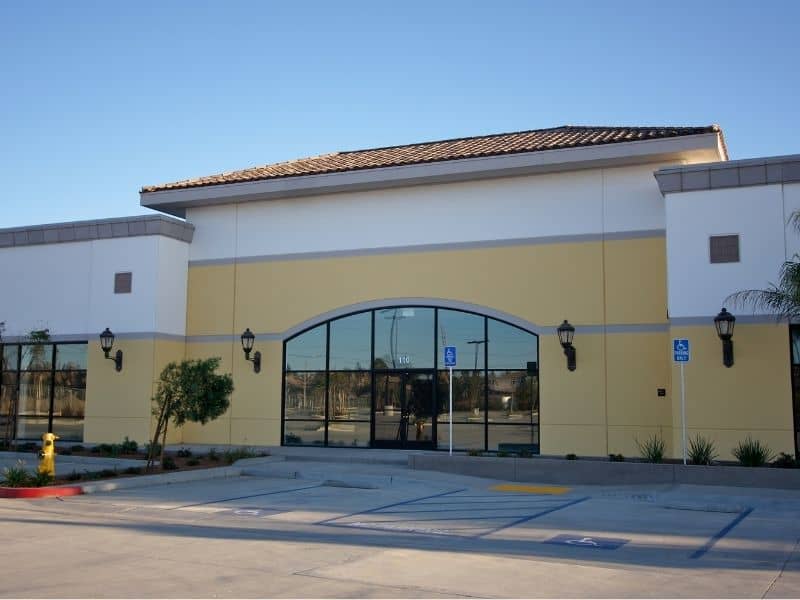
A building can sit empty for years while its paperwork quietly goes out of date. The elevation certificate on file may be one of those documents. It was accurate the day a surveyor signed it, but flood maps and building elevation changes can make older information less useful over time. Before you reopen a vacant building, that old certificate deserves a fresh look.
An elevation certificate is a FEMA form that records how high key parts of a building sit compared to the expected flood level. Lenders and insurers use it to set flood insurance and judge flood risk. If yours is outdated, you could face wrong insurance rates, permit delays, or a surprise during due diligence. A short review now can save you real money and time at reopening.
Why an Older Elevation Certificate May Need Review
An elevation certificate doesn’t carry a printed expiration date. That doesn’t mean an old one still tells the full story. Two big things change underneath it over time.
First, flood maps change. FEMA updates its flood maps, and your building’s flood zone or base flood elevation can shift with them. A certificate tied to an old map may no longer match the current rules.
Second, the building itself changes. A vacant property may have seen renovations, additions, or damage while it sat unused. It may also reference an older elevation datum, which is the reference system surveyors use to measure height. A newer certificate ties your numbers to the current standard.
Comparing the Certificate With Current Building Conditions
Pull the existing certificate and walk the building with it in hand. You want to see whether what’s on paper still matches what’s on site. Small changes can move the numbers that matter.
Check the lowest floor, any enclosed or ground-level areas, and where mechanical equipment sits. Look for additions, new HVAC units, generators, or altered entries. A surveyor can measure these and compare them against the recorded elevations.
If the building has been raised, lowered, or expanded, the old certificate likely no longer fits. Flag any gaps between the document and the real conditions. Those gaps are exactly what a lender or buyer will question.
Checking Flood Zone and Elevation Information Before Reopening
Confirm the current flood zone before you commit to a reopening date. Flood zones and base flood elevations come from FEMA maps that get revised over the years. The zone that applied when the building closed may not be the zone that applies today.
A surveyor or your local floodplain office can help you read the current map. If the property sits in a Special Flood Hazard Area, flood insurance and elevation rules likely apply. Knowing this early shapes both your insurance budget and your renovation plan.
Requirements can vary by community, county, lender, and insurer. Don’t assume the old numbers still hold. Verify the flood zone and elevation data against the current map before you reopen the doors.
When Building Changes May Require Updated Elevation Data
Some changes call for a brand new elevation certificate, not just a review. If you plan work that affects the building’s height or lowest floor, expect to update the elevation data. The same is true if the flood map has changed since the last certificate.
Common triggers include raising the structure, floodproofing, adding to the footprint, or converting a ground-level area to finished space. Adding or relocating mechanical equipment can matter too. Each of these can change how the building rates for flood risk.
Major renovations may fall under substantial improvement rules, which can require the building to meet current flood standards. These rules vary by municipality and county, so confirm them before you design the project. A current elevation certificate gives you the baseline you need to plan.
Using Elevation Records During Reopening and Due Diligence
An accurate elevation certificate does more than sit in a file. It supports the whole reopening and any deal attached to it. Lenders, insurers, buyers, and permit offices all lean on it.
During due diligence, a buyer or lender will often ask for a current certificate. A clean, up-to-date document keeps the process moving and protects your negotiating position. A missing or outdated one can stall financing or lower an offer.
Order the review or new certificate early, before your reopening or closing date. Surveyors need time to measure, research maps, and prepare the form. When your timeline depends on it, an early start keeps permitting, insurance, and closing from backing up.
Frequently Asked Questions
Does an elevation certificate expire?
An elevation certificate has no printed expiration date. It can still become outdated when flood maps change or the building is altered. Lenders and insurers may ask for a current one even if the old form looks fine. Before reopening a vacant building, review the certificate to be sure it still reflects reality.
How do I know if my flood zone has changed?
Flood zones come from FEMA maps that get updated over time. You can check the current map through your local floodplain office or with help from a surveyor. Compare the current zone and base flood elevation to what your old certificate shows. If they differ, your insurance and building rules may have changed too.
Do I need a new elevation certificate to reopen a vacant building?
Not always, but you should review the existing one first. If the building has changed or the flood map has been revised, a new certificate is often the safer choice. Lenders, insurers, or the permit office may also require a current form. Confirm the requirement early, since it can vary by lender, insurer, municipality, and county.
Who fills out an elevation certificate?
A licensed land surveyor, engineer, or architect completes and certifies the elevation certificate. They measure the building’s elevations and record them on the FEMA form. The surveyor documents the data, while your floodplain office and insurer decide how it applies. For accuracy, use a professional familiar with local flood mapping.
When should I schedule the elevation certificate review?
Schedule it early in your reopening or purchase timeline. The surveyor needs time to measure the building and check current flood maps. You may also need the results for insurance quotes, permits, or a due diligence package. Starting early keeps closing, permitting, or reopening from getting delayed